
Jhingekhali Watch Tower, Sundarban – Location, Wildlife & Safari Experience
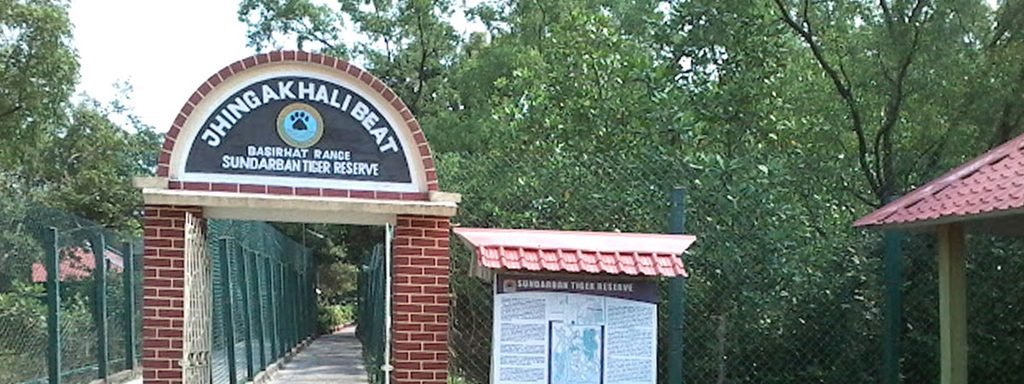
Jhingekhali Watch Tower is one of the lesser-explored wildlife observation points in the eastern part of the Indian Sundarban. Located within the Jhingekhali Beat of the Bashirhat Range, Sundarban Tiger Reserve, West Bengal, this watchtower offers visitors an opportunity to experience the peaceful wilderness, rich biodiversity, and natural beauty of the Sundarbans.
Unlike the more frequently visited watchtowers around Sajnekhali and Dayapur, Jhingekhali remains relatively less crowded due to its distance from the main tourist circuit. This makes it an excellent destination for travellers looking to explore the quieter and more pristine side of the Sundarban mangrove forest.
Where Is Jhingekhali Watch Tower Located?
Jhingekhali Watch Tower is situated in the Jhingekhali Beat under the Bashirhat Range of Sundarban Tiger Reserve, in West Bengal, India. It lies towards the eastern side of the Indian Sundarban region.
Because of its comparatively remote location, this watchtower receives fewer tourist visits than popular destinations such as Sajnekhali, Sudhanyakhali, and Dobanki.
What Makes Jhingekhali Watch Tower Special?
One of the most interesting features of Jhingekhali Watch Tower is its peaceful natural surroundings. With comparatively lower tourist movement, the surrounding mangrove ecosystem remains relatively undisturbed.
The watchtower has an accommodation capacity of approximately 20 visitors at a time, allowing tourists to observe the surrounding forest and wildlife in a controlled environment.
Some of its notable attractions include:
- Wildlife Observation Lines: Designated observation areas provide opportunities to watch animals in their natural habitat.
- Freshwater Pond: A sweetwater pond attracts different species of birds and other wildlife.
- Bonobibi Temple: A temple dedicated to Bonobibi, the revered guardian deity of the Sundarbans, is located within the watchtower compound.
- Birdwatching Opportunities: Bird enthusiasts may spot several local and migratory bird species in the surrounding forest.
Wildlife and Birdwatching at Jhingekhali Watch Tower
Jhingekhali offers an interesting opportunity for nature lovers and wildlife enthusiasts to observe the biodiversity of the Sundarbans.
The freshwater pond and surrounding observation areas attract various bird species. Among the notable birds that visitors may encounter is the Brahminy Kite, a distinctive bird of prey commonly associated with the coastal and mangrove ecosystems of the region.
The Sundarban forest is also home to the Royal Bengal Tiger, spotted deer, wild boars, monitor lizards, crocodiles, and numerous other wildlife species.
Although tiger sightings are never guaranteed at any watchtower in Sundarban, Jhingekhali’s relatively quieter surroundings make it an interesting location for wildlife observation.
Why Visit Jhingekhali Instead of the Popular Sundarban Watchtowers?
Most conventional Sundarban tour itineraries focus on popular watchtowers such as Sajnekhali, Sudhanyakhali, and Dobanki. However, Jhingekhali offers a different experience.
Its comparatively remote location, fewer tourist movements, peaceful surroundings, and rich natural environment make it worth considering for travellers who want to discover lesser-explored areas of the Sundarbans.
For visitors interested in birdwatching, mangrove ecology, photography, and experiencing the quieter side of the forest, Jhingekhali can be a rewarding addition to a Sundarban tour itinerary.
Jhingekhali Watch Tower – Quick Information
| Information | Details |
|---|---|
| Watchtower Name | Jhingekhali Watch Tower |
| Location | Indian Sundarban, West Bengal |
| Forest Beat | Jhingekhali Beat |
| Forest Range | Bashirhat Range |
| Forest Division | Sundarban Tiger Reserve |
| Visitor Capacity | Approximately 20 persons at a time |
| Main Attractions | Wildlife observation, freshwater pond, Bonobibi Temple |
| Birdwatching | Brahminy Kite and other bird species |
| Best For | Nature lovers, birdwatchers and wildlife enthusiasts |
Frequently Asked Questions – FAQ’s
Q. Where is Jhingekhali Watch Tower located in Sundarban?
A. Jhingekhali Watch Tower is located in the Jhingekhali Beat of the Bashirhat Range under Sundarban Tiger Reserve, West Bengal, India.
Q. How many tourists can visit Jhingekhali Watch Tower at a time?
Jhingekhali Watch Tower has an approximate visitor capacity of 20 persons at a time.
Q. Can tourists see Royal Bengal Tigers from Jhingekhali Watch Tower?
A. The surrounding forest is part of the Royal Bengal Tiger habitat. However, tiger sightings are unpredictable and cannot be guaranteed.
Q. What birds can be seen at Jhingekhali Watch Tower?
A. Visitors may spot different bird species, including Brahminy Kites, around the freshwater pond and forest observation areas.
Q. Is Jhingekhali Watch Tower less crowded than Sajnekhali?
A. Generally, Jhingekhali receives comparatively fewer tourists because of its distance from the popular Sajnekhali and Dayapur tourist areas.
Q. Is there a Bonobibi Temple at Jhingekhali Watch Tower?
A. Yes. A Bonobibi Temple is situated within the watchtower compound.
Q. Is Jhingekhali Watch Tower worth visiting?
A. Yes. It is worth considering for visitors interested in peaceful mangrove landscapes, birdwatching, wildlife observation, and exploring the less-visited eastern part of the Indian Sundarbans.
Explore the Untouched Side of Sundarban
Jhingekhali Watch Tower represents the quieter and less-explored side of the Sundarbans. From its freshwater pond and Bonobibi Temple to its birdwatching opportunities and peaceful mangrove surroundings, this destination offers a distinctive experience for nature enthusiasts.
If you are planning a Sundarban wildlife tour, consider including Jhingekhali in your itinerary to discover another fascinating corner of this UNESCO World Heritage landscape.
Important: Visits to Jhingekhali are subject to forest department permissions, applicable entry regulations, and safari arrangements. Always check the current Sundarban Tiger Reserve rules before planning your visit.