
Sundarban National Park – The Land of Royal Bengal Tigers and Mangrove Forests
The Sundarban National Park is one of India’s most unique wildlife destinations, famous for its Royal Bengal Tigers, vast mangrove forests, winding rivers and rich biodiversity. Located in the Ganges-Brahmaputra-Meghna Delta, the Sundarbans is the world’s largest mangrove forest, shared by India and Bangladesh.
Spread across approximately 4,110 sq. km on the Indian side, the Sundarbans is home to numerous wildlife species, including Royal Bengal Tigers, saltwater crocodiles, spotted deer, fishing cats and birds.
A Sundarban boat safari is the most popular way to explore this mysterious mangrove forest, offering visitors an unforgettable wildlife and nature experience.
Sundarbans – The Mysterious Mangrove Forest
The Sundarbans is a fascinating ecosystem of tidal rivers, muddy islands, mangrove vegetation and diverse wildlife. Its name originates from the Sundari tree (Heritiera fomes), one of the region’s well-known mangrove species.
The region features hundreds of islands, remote villages and interconnected waterways. Popular islands and destinations include Kalash, Henry Island and Netidhopani. Villages such as Pakhiralay, Dayapur, Bali and Sajnekhali offer glimpses of traditional rural life.
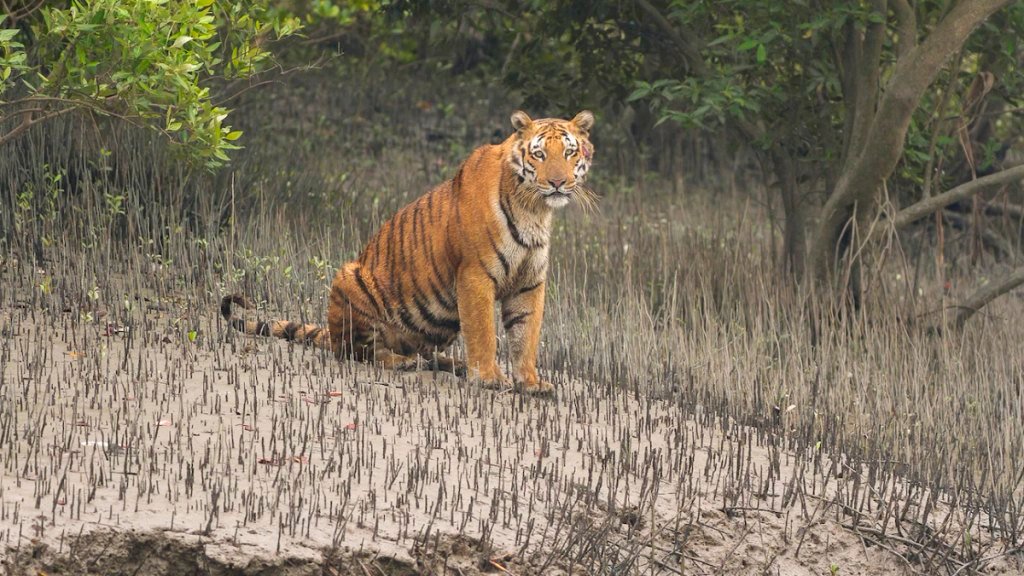
Picture By – Roundglass Sustain
History of Sundarban Tiger Reserve
The Indian Sundarbans is located in West Bengal, mainly across the South 24 Parganas district. The Sundarban Tiger Reserve was established in 1973 as part of India’s tiger conservation programme. Sundarban National Park was declared a UNESCO World Heritage Site in 1987.
The Sundarbans is internationally recognised for its unique mangrove ecosystem, Royal Bengal Tiger population and ecological importance. Conservation programmes led by government authorities and organisations such as WWF-India support wildlife protection and climate resilience.
Flora of Sundarban National Park
The Sundarbans supports a rich variety of mangrove plants adapted to saline water, tidal fluctuations and muddy soil. Important species include Sundari, Goran, Gewa, Kankra, Garjan, Passur and Dhundal.
These mangrove forests protect coastal areas from erosion, support aquatic life and provide essential habitats for numerous wildlife species.
Fauna of Sundarban National Park
The Sundarbans is famous for its diverse wildlife, particularly the magnificent Royal Bengal Tiger. Other commonly found animals include:
- Royal Bengal Tiger
- Saltwater Crocodile
- Spotted Deer (Chital)
- Fishing Cat
- Wild Boar
- Rhesus Macaque
- Indian Grey Mongoose
- Otters and various reptiles
- Kingfishers, herons, egrets and other waterbirds
Jungle Safari in Sundarban Tiger Reserve
A Sundarban jungle safari is a unique wildlife experience conducted mainly through registered boats. Unlike traditional forest safaris, visitors explore the mangrove forest through rivers, narrow creeks and tidal waterways.
Tourists can choose AC and non-AC boats of different sizes, depending on their group requirements and travel preferences. Some boats offer comfortable seating, dining facilities, washrooms and overnight accommodation.
Types of Sundarban Safari
Boat Safari: Explore mangrove rivers and creeks while looking for Royal Bengal Tigers, crocodiles, deer and birds.
Day Safari: A full-day boat excursion covering popular forest destinations and watchtowers, subject to forest permissions.
Overnight Boat Experience: Enjoy an extended river journey with overnight accommodation on permitted boats, subject to applicable forest regulations.
Sundarban Boat Safari Timings
Boat safari timings generally operate between 8:30 AM and 4:00 PM, subject to forest department regulations and permissions. Entry restrictions and permitted operating hours should be confirmed before travelling.
Important Do’s and Don’ts During Sundarban Safari
Do’s
- Carry sunscreen, sunglasses and a hat.
- Bring essential medicines and personal belongings.
- Carry a camera, binoculars and power bank.
- Follow your forest guide’s instructions.
- Prefer safe drinking water.
Don’ts
- Do not carry prohibited plastic items.
- Never throw garbage into rivers or forests.
- Avoid loud music and unnecessary noise.
- Never leave the boat without permission.
- Do not disturb, feed or approach wildlife.
- Follow all forest department safety regulations.
How to Reach Sundarban National Park
Kolkata is the nearest major city and the primary gateway to the Indian Sundarbans. Most tourists travel to Godkhali, where boats are available for entering the Sundarbans tourist areas.
By Air: Netaji Subhas Chandra Bose International Airport, Kolkata, is the nearest major airport.
By Train: Travel from Sealdah to Canning by local train. From Canning, hire a car or take local transport to Godkhali.
By Road: Private cars, taxis and buses can be used to reach Godkhali from Kolkata.
Best Time to Visit Sundarban National Park
The best time to visit Sundarban National Park is generally October to March, when the weather is pleasant and suitable for boat safaris and wildlife observation.
Summer (April–June): Hot and humid weather with temperatures that can reach 42°C.
Monsoon (July–September): Heavy rainfall and rising water levels can affect safari operations.
Winter (October–March): Pleasant weather, better visibility and excellent conditions for birdwatching and boat safaris.
Famous Places to Visit in Sundarban National Park
Some popular tourist attractions in the Sundarbans include:
Sajnekhali Watch Tower: Famous for birdwatching, the mangrove interpretation centre and forest department facilities.
Sudhanyakhali Watch Tower: A popular wildlife observation point known for deer, crocodiles and possible tiger sightings.
Dobanki Watch Tower: Known for its canopy walk and mangrove forest views.
Netidhopani Watch Tower: Famous for its historical associations and surrounding forest landscape.
Sajnekhali Bird Sanctuary: A popular destination for birdwatching.
Bhagabatpur Crocodile Project: Known for its estuarine crocodile breeding and conservation programme.
Sundarbans Ecosystem – A Natural Wonder
The Sundarbans is one of the world’s most productive mangrove ecosystems. Its rivers, creeks, mudflats, mangrove vegetation and wildlife create a delicate ecological balance.
This unique ecosystem protects coastal communities, supports biodiversity and plays an important role in climate resilience and carbon storage.
Sundarban Tiger Reserve Authority